History / From the shelf001
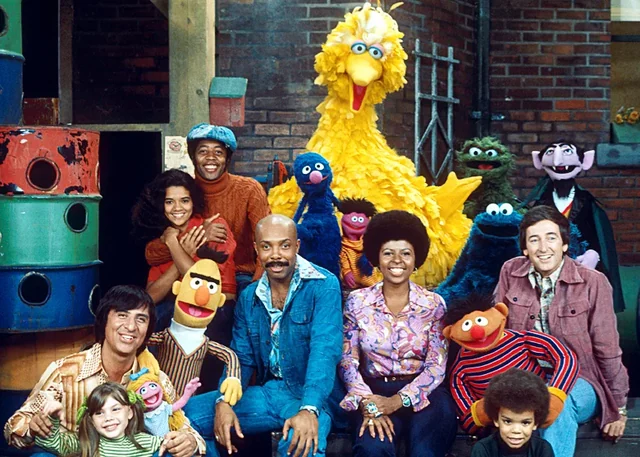
A pretest-posttest evaluation of Sesame Street's first season found the largest gains among children who watched most, including disadvantaged children.
Event: 1 October 1970
History / From the shelf002

A verbatim transcript shows Fred Rogers securing Senate support for public broadcasting by describing a programme's purpose, not its ratings.
Event: 1 May 1969
History / From the shelf003
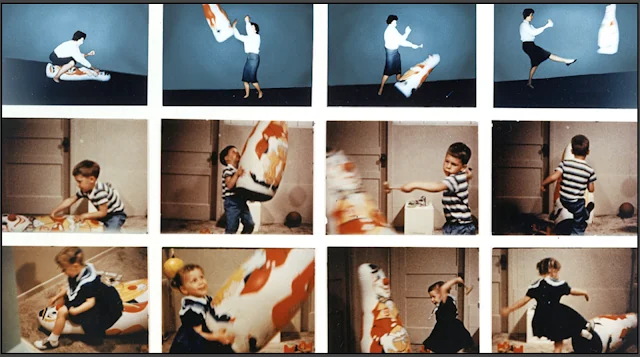
Bandura's Bobo doll experiments showed young children readily imitate a specific aggressive act they have watched under laboratory conditions.
Event: 1 November 1961
History / From the shelf004

The Surgeon General's 1972 report on TV violence reached a cautious, qualified conclusion and openly described industry influence over its own membership.
Event: 19 January 1972
Policy & law / From the shelf005

The Children's Television Act of 1990 caps advertising minutes in children's programming and ties broadcast licence renewal to an educational-service review.
Event: 18 October 1990
Evidence / Guidance record006

A 2005 review found toddlers consistently learn less from video than from an equivalent live demonstration, known as the video deficit effect.
2005 record
Evidence / From the shelf007
pubmed.ncbi.nlm.nih.gov1 October 2007
A 2007 survey found infant DVD and video viewing associated with a smaller vocabulary, a correlation the authors said needed further explanation.
Event: 1 October 2007
Evidence / From the shelf008
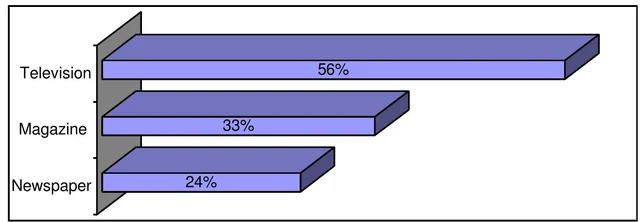
A 2010 national survey distinguished media use from media exposure, showing multitasking nearly closes a three-hour gap between the two figures.
Event: 20 January 2010
Evidence / From the shelf009
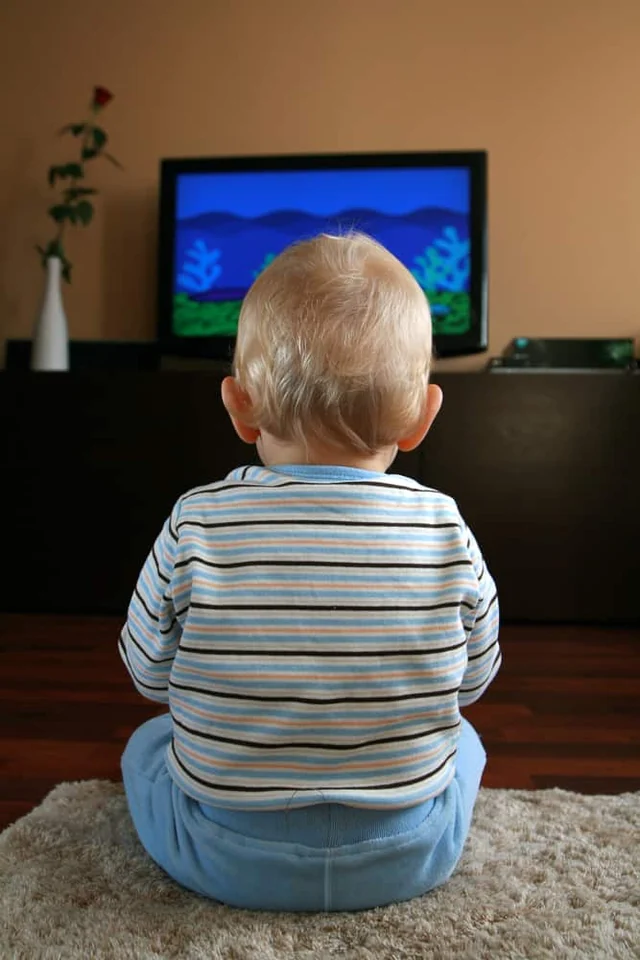
Two studies found adult background television, barely watched by toddlers, still shortened their play and reduced parent-child interaction.
Event: 1 July 2008
Guidance / From the shelf010

The AAP's 1999 media education statement balanced media's risks and benefits, a framing its 2016 statement on young children later revised.
Event: 1 August 1999
Guidance / From the shelf011
doi.org1 November 2016
Two AAP statements replaced a single screen-age rule with age-banded guidance and a family media plan, naming their own evidence gaps.
Event: 1 November 2016
Guidance / Guidance record012
healthychildren.orgundated document
AAP's Family Media Plan turns a 2016 call for individualised guidance into a worksheet a family completes rather than a fixed limit.
Guidance record
Guidance / From the shelf013

WHO's 2019 guideline set hour limits on sedentary screen time for under-fives and rated the evidence behind them very low quality.
Event: 2 April 2019
Guidance / From the shelf014
assets.publishing.service.gov.uk7 February 2019
The UK's four chief medical officers said the evidence could not support a screen-time number and gave process advice instead.
Event: 7 February 2019
Guidance / From the shelf015

RCPCH's 2019 guide said no evidence supported a screen-time threshold and offered four questions for families to ask instead.
Event: 1 January 2019
Guidance / From the shelf016
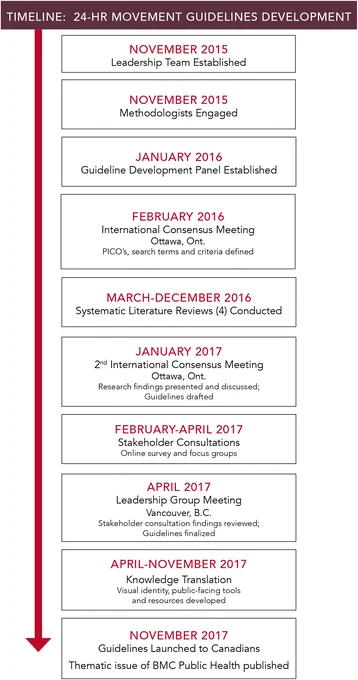
Canada's movement guidelines cap recreational screen time inside a single day that also sets targets for sleep and activity.
Event: 1 June 2016
Guidance / From the shelf017
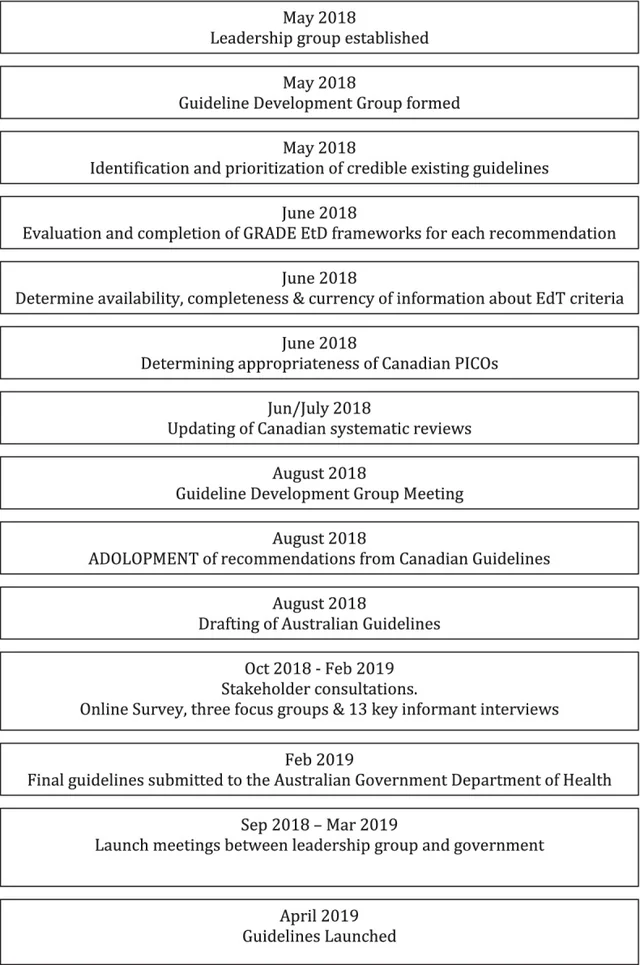
Australia's guideline developers reviewed the evidence themselves, then formally adopted Canada's two-hour screen limit nearly word for word.
Event: 6 January 2022
Guidance / Guidance record018

AAP's Center of Excellence turns social media research into tip sheets and a five-part framework rather than a single verdict on harm.
Guidance record
Guidance / Guidance record019
ncbi.nlm.nih.govundated document
The Surgeon General said social media's safety for children is not yet established and asked five groups to act on that uncertainty.
2023 record
Guidance / From the shelf020
apa.org1 May 2023
APA based ten adolescent social media recommendations on evidence it says cannot yet show cause and effect for most claimed harms.
Event: 1 May 2023
Evidence / From the shelf021
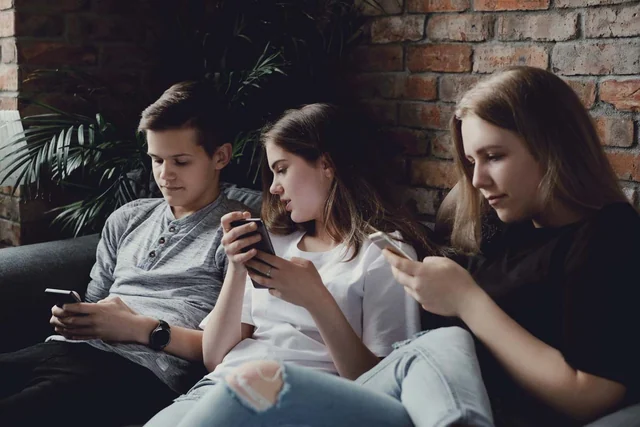
A specification-curve analysis of 355,358 adolescents found technology use explained at most 0.4% of wellbeing variation.
Event: 14 January 2019
Evidence / From the shelf022

Twenge and colleagues linked rising US teen depression to rising new-media use; the effect size is contested.
Event: 14 November 2017
Evidence / From the shelf023
Odgers and Jensen's 2020 review found mostly correlational evidence and only minor associations in the largest studies.
Event: 17 January 2020
Evidence / From the shelf024

An ABCD Study analysis of 11,875 9- and 10-year-olds found screen time explained less variance than family socioeconomic status.
Event: 8 September 2021
Evidence / From the shelf025

A 42-study meta-analysis linked more screen time to weaker child language skills, but co-viewing and educational content to stronger skills.
Event: 1 July 2020
Evidence / From the shelf026

A meta-analysis of 125,198 children found bedtime device access, not only use, was associated with poorer sleep.
Event: 1 December 2016
Evidence / From the shelf027

A 2021 meta-analysis found smart device use associated with myopia odds, while eye bodies point separately to outdoor time.
Event: 5 October 2021
Evidence / From the shelf028

A two-year cohort of 2,587 teens found high-frequency digital media use associated with higher odds of new ADHD symptoms.
Event: 17 July 2018
Evidence / From the shelf029

An observational study of 37 pairs found less parent-toddler dialogue and collaboration with electronic books than print.
Event: 1 April 2019
Evidence / From the shelf030
A 2015 review proposed active, meaningful, social and focused features to judge whether an educational app actually teaches.
Event: 20 April 2015
Evidence / From the shelf031

The Anxious Generation argues phones drove a mental-health crisis; a Nature review says the evidence shows correlation, not proof of cause.
Event: 29 March 2024
Evidence / From the shelf032

Pew's 2023 teen survey measured platform use and near-constant time online, and its 2024 wave shows how much one year moves the numbers.
Event: 11 December 2023
Evidence / From the shelf033
Common Sense's tween and teen census found media use grew more from 2019 to 2021 than in the previous four years combined.
Event: 9 March 2022
Evidence / From the shelf034
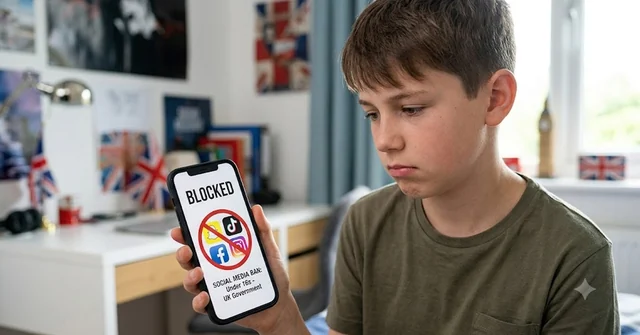
Ofcom's 2024 survey found 51% of under-13s report using social media despite the usual 13-plus minimum age on most platforms.
Event: 19 April 2024
Guidance / From the shelf035

The WHO's ICD-11 gaming disorder diagnosis requires a year of significant impairment, and says it does not describe ordinary heavy play.
Event: 1 May 2019
Policy & law / From the shelf036

The UK government found an association between loot boxes and problem gambling but backed industry measures instead of new legislation.
Event: 18 July 2022
Evidence / From the shelf037

Meta published its account of internal teen research after press reporting, then a Senate subcommittee questioned its safety head about it.
Event: 26 September 2021
Evidence / From the shelf038
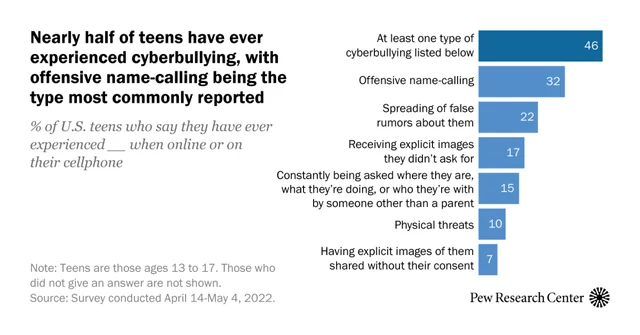
Pew's 2022 survey found 46% of teens experienced at least one named type of online harassment, most often name-calling.
Event: 15 December 2022
Evidence / From the shelf039

A study using game companies' own telemetry, not self-reports, found play time weakly and positively related to wellbeing.
Event: 17 February 2021
Evidence / From the shelf040
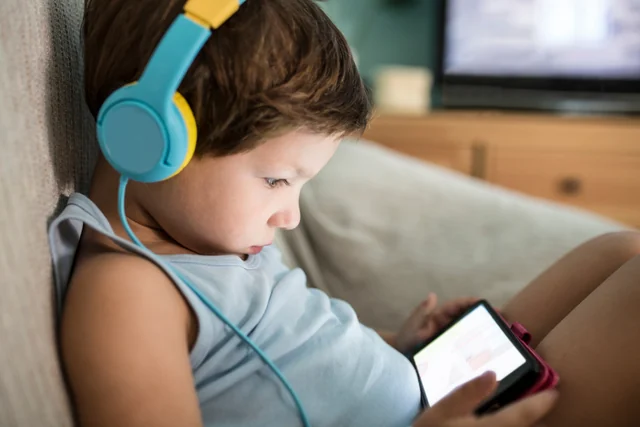
A 2021 study of the ABCD cohort found adolescent recreational screen time rose from about 3.8 to 7.7 hours a day early in the pandemic.
Event: 1 November 2021
Policy & law / From the shelf041
ftc.gov16 January 2025
The FTC's children's privacy rule dates to 2000 and was tightened again in January 2025.
Event: 16 January 2025
Policy & law / From the shelf042
ftc.gov4 September 2019
A 2019 settlement required YouTube to label child-directed content and stop targeted ads on it.
Event: 4 September 2019
Policy & law / From the shelf043

A 2022 settlement targeted Fortnite's default chat settings and a purchase flow that led to unwanted charges.
Event: 19 December 2022
Policy & law / From the shelf044
ftc.gov27 February 2019
Musical.ly settled a children's privacy case in 2019; TikTok faces a separate, unresolved federal complaint from 2024.
Event: 2 August 2024
Policy & law / From the shelf045
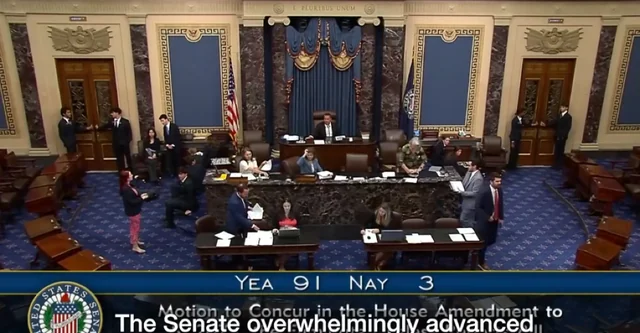
The Kids Online Safety Act passed the Senate 91-3 in 2024 but was not enacted; it is now reintroduced.
Event: 30 July 2024
Policy & law / From the shelf046
leginfo.legislature.ca.gov15 September 2022
A federal appeals court upheld an injunction on one provision and sent the rest of the law back for review.
Event: 16 August 2024
Policy & law / From the shelf047
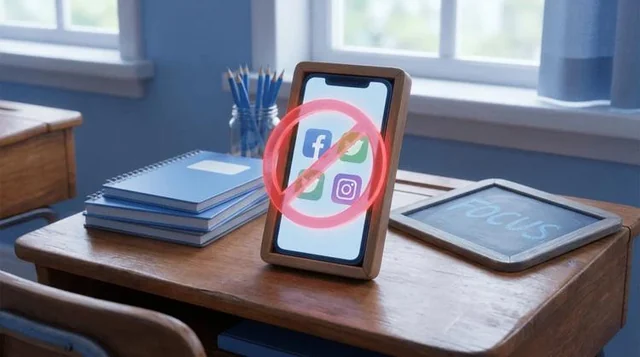
A 2023 Florida law bars phone use during instructional time and requires blocking social media on school networks.
Event: 9 May 2023
Policy & law / From the shelf048
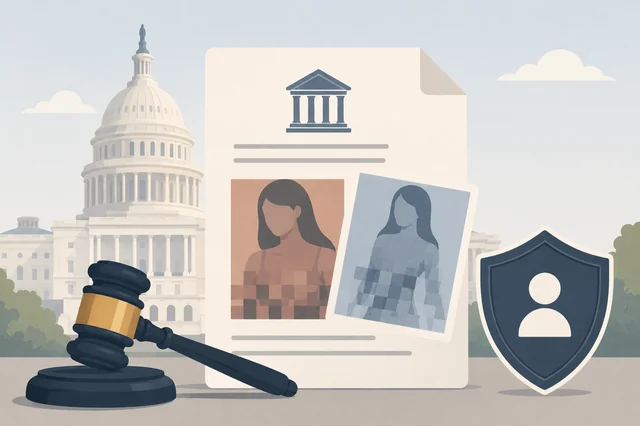
The TAKE IT DOWN Act criminalises nonconsensual intimate images, real or faked, and sets a 48-hour removal duty.
Event: 19 May 2025
Policy & law / From the shelf049

Utah's 2023 social media law for minors was replaced in 2024, and enforcement is now paused by a court.
Event: 13 March 2024
Policy & law / From the shelf050
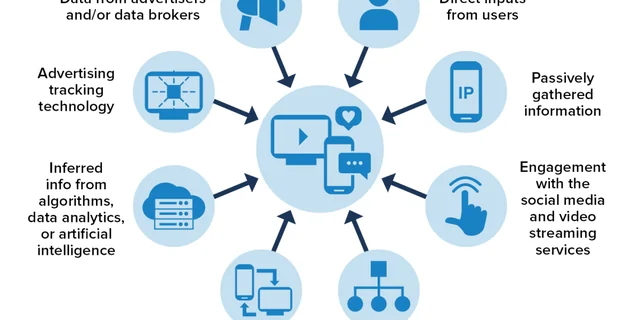
A 2024 FTC staff report found scant extra protection for teens, and reliance on 'no child users' claims.
Event: 19 September 2024
Policy & law / From the shelf051

The Children's Code set fifteen design standards for services likely to be used by children, in force since 2020.
Event: 2 September 2020
Policy & law / From the shelf052
The Online Safety Act's child safety duties were phased in through 2025 under codes a regulator enforces.
Event: 26 October 2023
Policy & law / From the shelf053
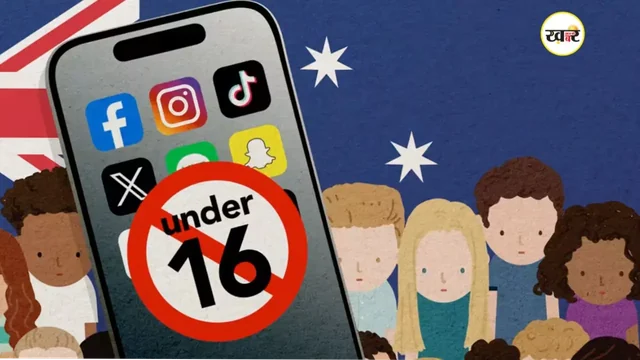
Providers, not parents, must take reasonable steps to keep under-16s off covered platforms, with a phased start.
Event: 10 December 2024
Policy & law / From the shelf054

The Commission's 2025 guidelines interpret an existing DSA duty and are voluntary, not new binding law.
Event: 14 July 2025
Policy & law / From the shelf055
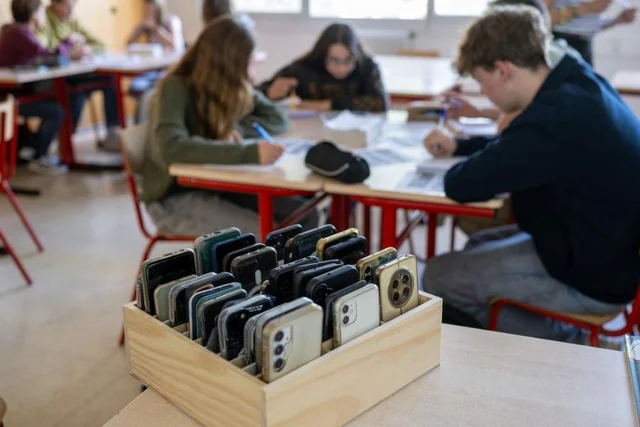
A 2018 statute bars phones in nursery, primary and lower-secondary schools, with detail left to each school.
Event: 3 August 2018
Evidence / From the shelf056
UNESCO's 2023 monitoring report urges technology use only where evidence shows it helps learning.
Event: 26 July 2023
Policy & law / From the shelf057
gov.uk19 February 2024
2024 non-statutory advice on school phone bans has since been revised into a statutory requirement.
Event: 19 February 2024
Guidance / From the shelf058
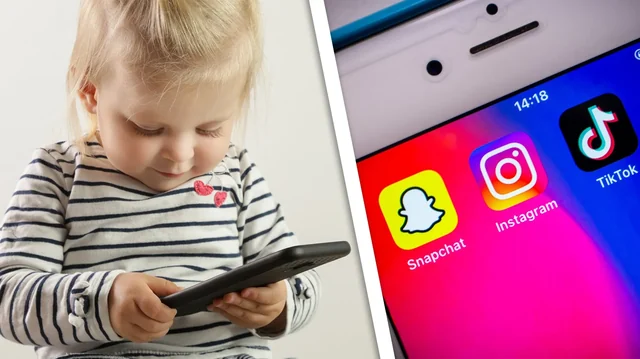
A 2024 public health recommendation advises no screens under two and rising hourly limits by age.
Event: 1 September 2024
Policy & law / From the shelf059
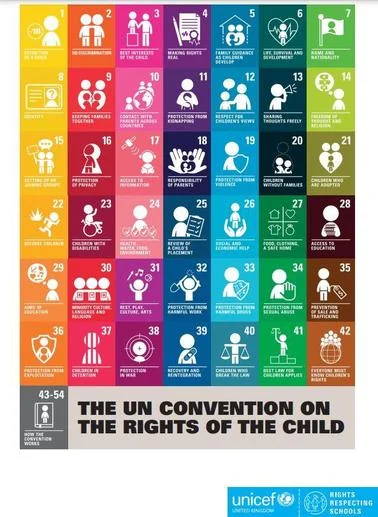
General comment No. 25 sets out states' duties on privacy, protection, information and play in digital life.
Event: 2 March 2021
Platforms / Guidance record060

Europe's pan-national game rating system, launched in 2003, labels age suitability through content descriptors.
2003 record
Platforms / From the shelf061
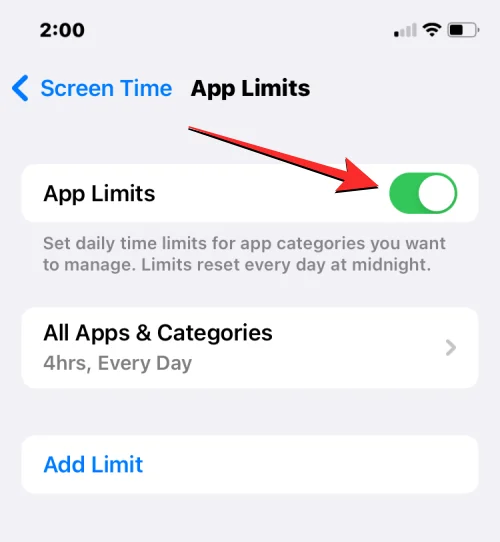
Apple's iOS 12 announcement and current support pages describe what Screen Time reports and restricts, and what a parent cannot remove.
Event: 4 June 2018
Platforms / Guidance record062

Google's help documentation sets Family Link's under-13 threshold and ties the end of supervision to each country's own digital consent age.
Documentation record
Platforms / From the shelf063
blog.youtube23 February 2015
YouTube's 2015 launch post and current help documentation describe a filtered app that its own text admits cannot guarantee every video.
Event: 23 February 2015
Platforms / From the shelf064

Meta's 2024 announcement sets private, restricted defaults for teens under 18 and admits its own age-detection tools are still imperfect.
Event: 17 September 2024
Platforms / From the shelf065
TikTok's announcements describe a daily prompt teens can bypass with a passcode, and a separate, parent-managed Family Pairing limit.
Event: 1 March 2023
Platforms / Guidance record066

Roblox's own documentation ties remote parental controls and chat access to an age band that can be set by facial age estimation.
Documentation record
Platforms / Guidance record067
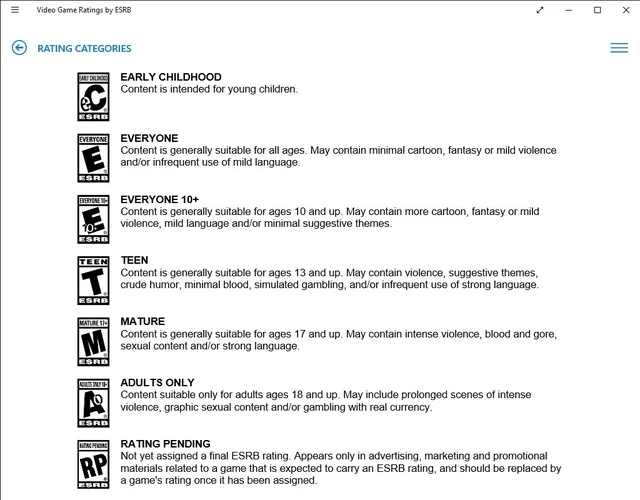
ESRB's own documentation separates content ratings from Interactive Elements, which flag purchases, user content and connectivity.
1994 record
Platforms / Guidance record068
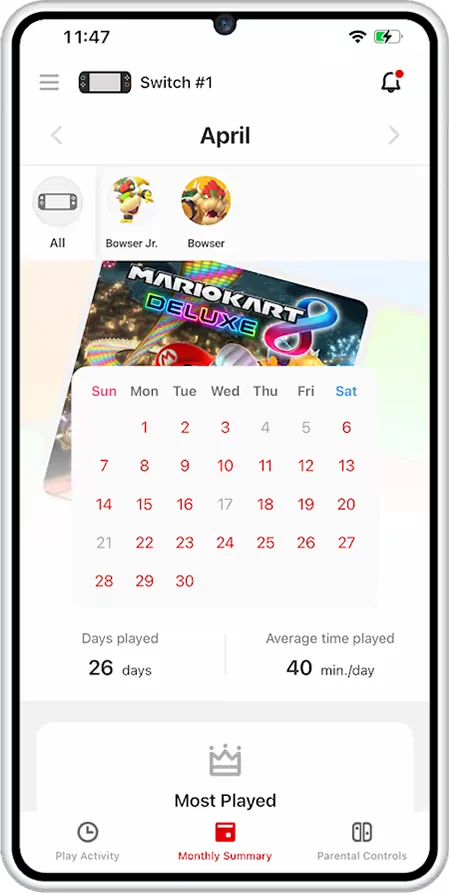
Nintendo's own parental controls documentation says a parent can see who a child played and chatted with, not what was said.
Documentation record
Platforms / From the shelf069
Meta's 2017 launch announcement and current site describe Messenger Kids as controlling a child's contact list, not their conversations.
Event: 4 December 2017
Platforms / Guidance record070
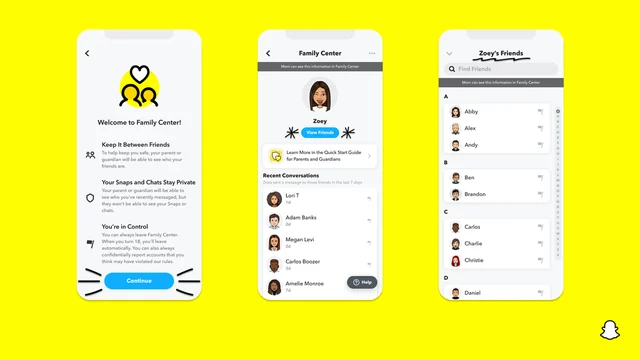
Snap's own documentation says Family Center shows a teen's contacts, time and location to a parent, deliberately without messages.
Documentation record
Evidence / From the shelf071

A 2015 OECD report on PISA data found heavy ICT investment did not track with better reading, maths or science results.
Event: 15 September 2015
Evidence / From the shelf072
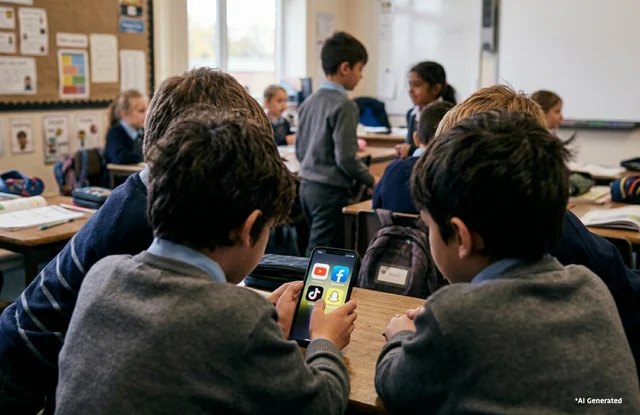
PISA 2022 found students reporting frequent device distraction in maths lessons scored lower, an association rather than proof of cause.
Event: 5 December 2023
Evidence / From the shelf073

A randomised evaluation of Peru's laptop programme found no effect on maths or language despite far higher computer use.
Event: 1 January 2012
Evidence / From the shelf074
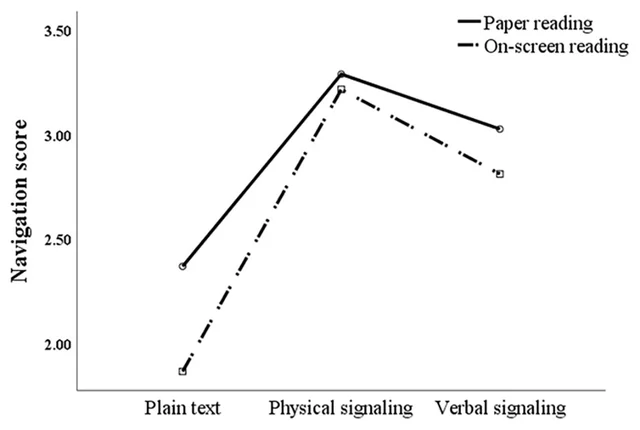
Across 54 studies, comprehension was better on paper than screen, especially under time pressure and for factual text.
Event: 1 November 2018
Evidence / From the shelf075

The 2014 longhand-over-laptop finding was large; a 2019 replication found no consistent difference between groups.
Event: 23 April 2014
Evidence / From the shelf076

A natural experiment using 1969 broadcast signal quality found the show improved school performance, mainly for boys.
Event: 1 January 2019
Guidance / Guidance record077

The What Works Clearinghouse grades education studies by design quality, and many popular tools have none that qualify.
Guidance record
Policy & law / From the shelf078

Blocked in January 2023, ChatGPT was unblocked in May after the chancellor called the initial caution a missed opportunity.
Event: 18 May 2023
Evidence / From the shelf079

A difference-in-differences study found scores rose after bans, with the largest gains for low-achieving students.
Event: 1 August 2016
Evidence / From the shelf080

A field experiment found unrestricted GPT-4 access boosted practice performance but harmed later exam results without it.
Event: 18 July 2024
Evidence / From the shelf081
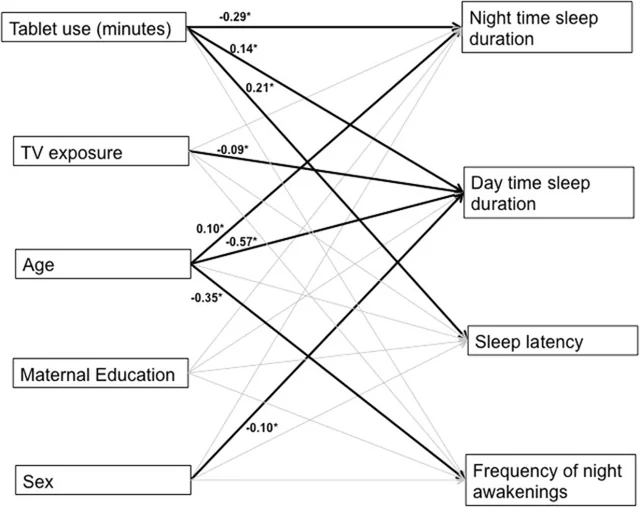
A 715-parent survey found each added hour of touchscreen use was associated with a net loss of toddler sleep.
Event: 13 April 2017
Policy & law / Guidance record082

A 2017 legal analysis frames sharenting as a real tension between a parent's expression and a child's privacy.
2017 record
Evidence / From the shelf083
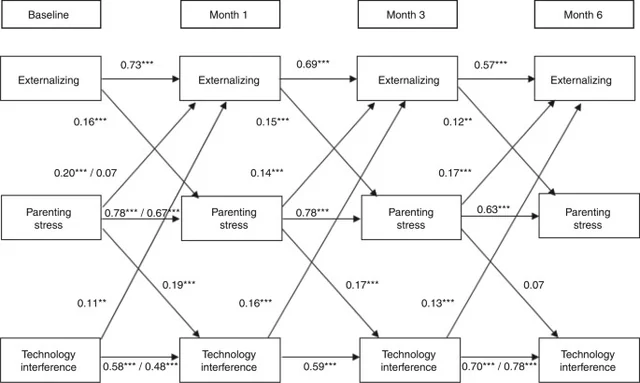
A six-month study found parents' device interruptions and child behaviour problems predicted each other over time.
Event: 13 June 2018
Evidence / From the shelf084

An observational study of 55 fast-food meals found caregiver phone absorption tracked with harsher responses to misbehaviour.
Event: 1 April 2014
Guidance / From the shelf085

A 2011 report defines joint media engagement and traces why shared use, not mere supervision, supports learning.
Event: 8 December 2011
Evidence / From the shelf086

A Calgary cohort of 2,441 children found screen time predicted later developmental scores, and not the reverse.
Event: 28 January 2019
Evidence / From the shelf087

Home audio recordings of 220 Australian families found screen time associated with less parent-child talk.
Event: 4 March 2024
Policy & law / From the shelf088
ftc.gov11 September 2025
The FTC's September 2025 orders seek details on how companion chatbots affect children and teens.
Event: 11 September 2025
Platforms / From the shelf089

YouTube's November 2017 update expanded age-restriction, ad removal and comment controls on family content.
Event: 22 November 2017
Evidence / Guidance record090
An automated scan of 5,855 children's apps found most likely breaching US child privacy rules via ad SDKs.
2018 record
Guidance / Guidance record091

Common Sense Media's own pages describe reviewer-written, category-based ratings from a nonprofit that says funders have no influence.
Method record
Guidance / Guidance record092

Internet Matters' pages describe age-by-age guides and named corporate collaborations, without a full funder list on those pages.
Guidance record
Guidance / From the shelf093
api.crossref.org15 June 2016
A 2016 sleep-medicine panel set recommended nightly hours by age using a formal consensus method, not a study of screens themselves.
Event: 15 June 2016
Evidence / From the shelf094
5Rights Foundation's Pathways report used avatar accounts and designer interviews to document design features and speed of harm exposure.
Event: 17 September 2021
Policy & law / Guidance record095

The ICO's own guidance names several age-check methods and says the one used should match risk, not follow one mandated standard.
Documentation record
Guidance / Guidance record096

The pledge only activates once ten families in a grade join, and its evidence page cites outside studies it does not itself verify.
Guidance record
Guidance / From the shelf097

Smartphone Free Childhood states it began as a parent WhatsApp group in February 2024 and asks for a pledge, not a research citation.
Event: 1 February 2024
Guidance / From the shelf098

The AAP's 2014 statement asks pediatricians to promote reading aloud from infancy at every visit, citing brain and language gains.
Event: 1 August 2014
Guidance / Guidance record099
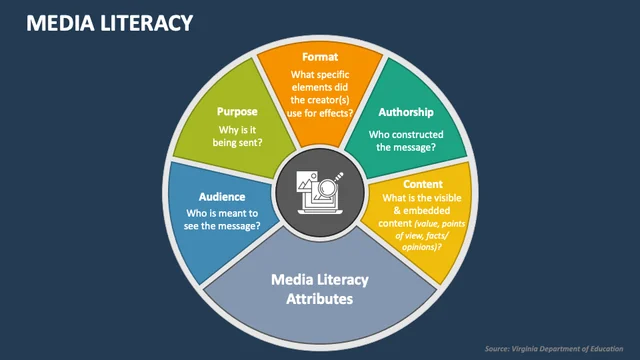
NAMLE's own definition names five abilities that make up media literacy, without a scored test to measure where a child stands.
Documentation record
Guidance / Guidance record100

UNICEF's parenting pages recommend balanced screen use built on expert consultation, without citing a specific study behind the advice.
Guidance record
