
The short answer
Handing children laptops through school did not, on its own, raise their maths or language test scores, even though it dramatically increased how much they used computers. A large randomised trial of Peru's One Laptop per Child programme found the machines arrived and got used, but the promised academic gains did not follow within the study's window.
What the evidence says
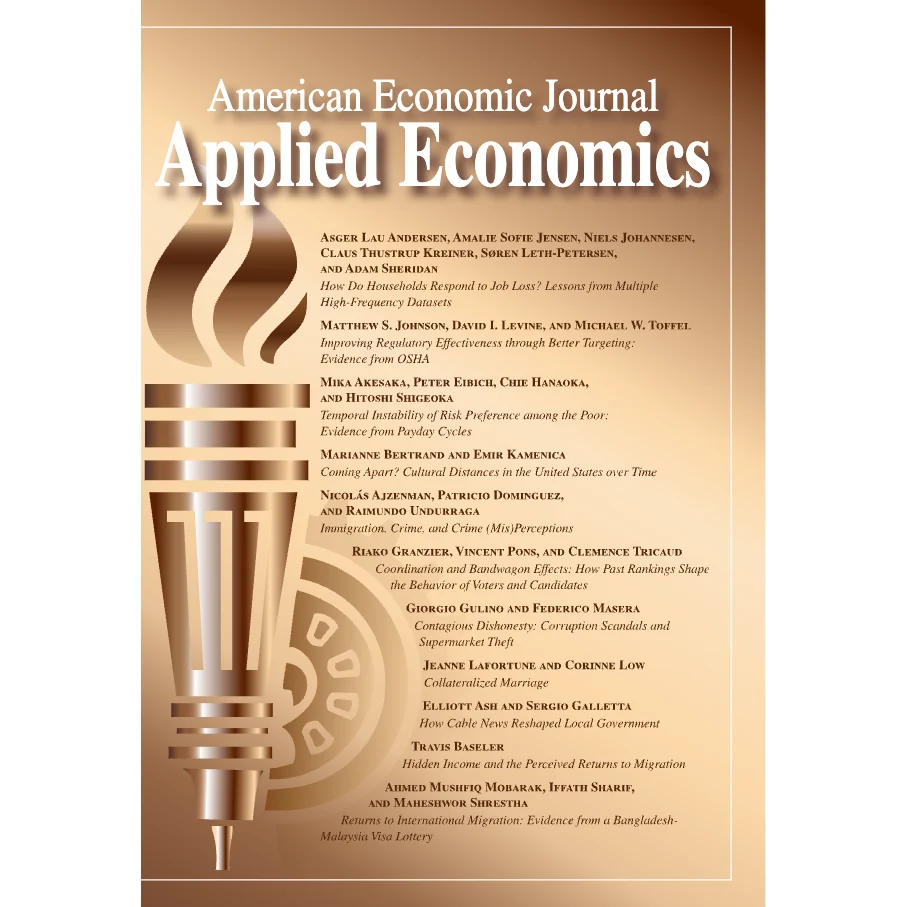
Economists Julian Cristia, Pablo Ibarraran, Santiago Cueto, Ana Santiago and Eugenio Severin ran a randomised evaluation across 318 rural primary schools in Peru, a study first circulated as an Inter-American Development Bank working paper in 2012 and later published in the American Economic Journal: Applied Economics in July 2017. Schools were randomly assigned to receive laptops or not, the cleanest possible design for isolating the programme's effect. After 15 months, the ratio of computers to students in treatment schools had risen from 0.12 to 1.18, and the paper reports that this expansion translated into substantial increases in computer use both at school and at home. Despite that real behavioural change, the authors found no evidence of effects on test scores in maths and language. They did report some evidence, described in the paper itself as inconclusive, of positive effects on general cognitive skills.
For context
The randomised design rules out many of the alternative explanations that weaken correlational studies of technology and learning: because schools were assigned by lottery, the laptop and non-laptop groups should have looked alike on average before the programme began. That strengthens confidence in the null result for test scores specifically. It does not mean laptops did nothing at all, since the cognitive-skills finding points to some effect the maths and language tests did not capture, and it does not test what would happen with different teacher training, curriculum integration or a longer follow-up period. A single well-designed trial in one country's rural primary schools is strong evidence about that programme, not a universal law about every device-in-schools initiative everywhere.
A practical next step
When a school proposes a new device rollout, you could ask what the accompanying teaching plan is, since this trial's core lesson is that access to hardware and a measurable change in what children learn are two different claims that need separate evidence.
- Is the new technology paired with specific teacher training on how to use it for a subject?
- What outcome, beyond usage rates, will the school actually measure to judge success?
- How long is the school prepared to wait, and what would count as a fair trial period?
Peru's experience is one of the more rigorous tests available of what large-scale laptop distribution can and cannot do by itself, and it supports a narrow but durable conclusion: the machines are not the intervention, the way they are used is.
Sources & reading trail
Peer-reviewed article abstract states the randomised design, the 318 rural Peruvian schools, the computer-ratio increase, and the null result on maths and language test scores.
Source published: 1 July 2017 · Retrieved: 16 September 2026
Inter-American Development Bank registry record confirms the working paper's original 2012 circulation ahead of journal publication.
Source published: 1 January 2012 · Retrieved: 16 September 2026
Studies and official documents establish the record; the short answer and the next step are Screens & Childhood editorial interpretation. This retrospective draft does not imply the site published on the event date.