
The short answer
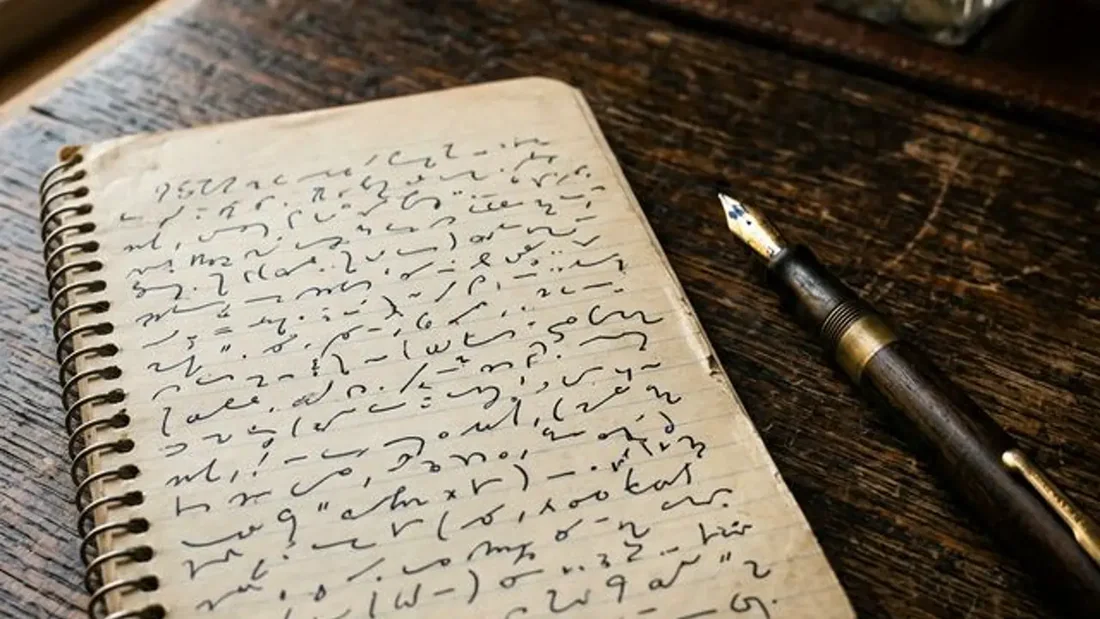
A widely cited 2014 study found that students who took lecture notes by hand did better on conceptual questions than those who typed on a laptop. A 2019 replication that copied the original method and added new comparison groups found the difference mostly disappeared. Both studies are real; the honest reading is that the effect is far less certain than the original headline suggested.
What the evidence says
Pam Mueller and Daniel Oppenheimer's original study, first published online on 23 April 2014 in Psychological Science, ran three experiments comparing students who took notes longhand with those who typed on laptops. Laptop note-takers tended to transcribe lectures verbatim, while longhand note-takers had to paraphrase because they could not write as fast, and the authors argued this extra processing helped comprehension. Across the three studies, laptop note-takers performed worse on questions testing conceptual understanding, even though typing produced more notes overall. Five years later, Kayla Morehead, John Dunlosky and Katherine Rawson published a study explicitly framed as a replication and extension of that design in Educational Psychology Review, adding groups who used electronic writing tablets and a group who took no notes at all. Their abstract reports that performance did not consistently differ between any of the note-taking groups, including students who took no notes, and that a combined meta-analysis of direct replications found only a small, statistically non-significant effect favouring longhand.
For context
Neither study is wrong; they measured different samples under conditions that were not identical, and small changes in materials, courses or student populations can shift a borderline effect either way. The replication's authors were explicit about the implication: concluding which note-taking method is superior, they wrote, seems premature given the available evidence. That is a more cautious claim than either handwriting making students smarter or the original finding being false, and it reflects how psychology has increasingly treated single striking results as worth a second, larger look before they harden into settled advice for classrooms.
A practical next step
Rather than mandating longhand notes on the strength of one famous study, you could watch what a particular student actually does with their notes afterwards, since the original theory was always about processing while writing, not the pen itself.
- Does this student review and rework their notes later, or file them away unread?
- Are they typing quickly enough to transcribe word for word, or naturally paraphrasing already?
- Would a short trial of each method, compared on the same kind of test, settle the question for this student specifically?
The pairing of a famous finding and its more muted replication is a useful case study in itself: a single elegant experiment can be entirely honest and still not be the last word.
Sources & reading trail
Original article abstract states the three-experiment design and the conceptual-question disadvantage for laptop note-takers.
Source published: 23 April 2014 · Retrieved: 16 September 2026
ERIC record reproduces the replication's abstract, stating performance did not consistently differ between note-taking groups and that a meta-analysis found only a small, non-significant longhand effect.
Source published: 4 February 2019 · Retrieved: 16 September 2026
Studies and official documents establish the record; the short answer and the next step are Screens & Childhood editorial interpretation. This retrospective draft does not imply the site published on the event date.