
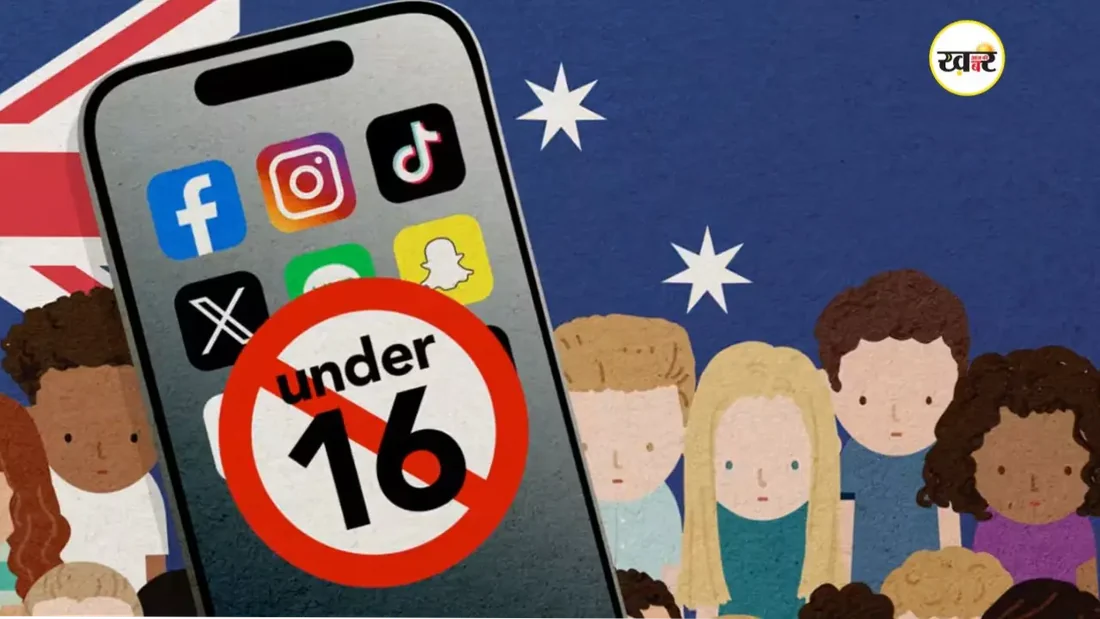
The short answer
Australia has told social media platforms, not parents, to keep children under 16 off their services, backed by a civil penalty on the platform rather than any penalty for the child or family. The duty falls on the provider to take reasonable steps, and it did not start on the day the law was signed.
What the evidence says
The Online Safety Amendment (Social Media Minimum Age) Act 2024 was assented to on 10 December 2024, as recorded on the Act's authorised text, which inserts a new Part 4A into the Online Safety Act 2021. It defines an age-restricted user as an Australian child under 16, and creates a duty on the provider of an age-restricted social media platform to take reasonable steps to prevent such users having accounts, with a civil penalty of 30,000 penalty units for failing to do so. The Act restricts how that duty can be met: a provider must not require government-issued identification or a digital ID service unless it also offers a reasonable alternative, and information collected for age-checking must generally be destroyed after use. The duty did not begin on assent; the Act lets the minister specify a start date by notice, no more than twelve months after the Act's core provisions commenced on 11 December 2024, as confirmed by the Act's register entry.
For context
The Act defines its own category of covered service by function, principally enabling social interaction between users who can link to each other and post material, rather than by naming platforms, and excludes services whose main purpose is something else. That test means messaging apps, online games and business-focused services are not automatically covered, though the minister can add or exclude services by rule. The law also builds in review: within two years of the duty taking effect, an independent review of the whole framework, including its privacy protections, must be reported to Parliament, suggesting the government expected practical detail to need revisiting once enforcement began.
A practical next step
If your child uses a platform that may fall under this law, it is worth checking that platform's own help pages for how it says it verifies age, since the Act leaves the specific method to the provider within its limits on identification documents.
- Does this service fall within the Act's functional definition of an age-restricted platform, or is it exempt?
- What method is the platform using to estimate or verify age, and does it match the Act's limits on identity documents?
- Has the reasonable-steps duty actually commenced for this platform, or is a stated policy running ahead of the legal deadline?
This is one of the first laws anywhere to put an enforceable minimum age directly onto platforms rather than onto parents or children, and its built-in review clause signals that the government expects the detail of reasonable steps to be tested and adjusted once the obligation is in force.
Sources & reading trail
Full statutory text: defines age-restricted user as under 16, the reasonable-steps duty, 30,000 penalty unit civil penalty, ID-collection limits, and the delayed-commencement and review clauses.
Source published: 10 December 2024 · Retrieved: 16 September 2026
Federal Register of Legislation entry confirming the Act's short title and in-force status from 10 December 2024.
Source published: Not established · Retrieved: 16 September 2026
Studies and official documents establish the record; the short answer and the next step are Screens & Childhood editorial interpretation. This retrospective draft does not imply the site published on the event date.